What Is Facial Fat Grafting?
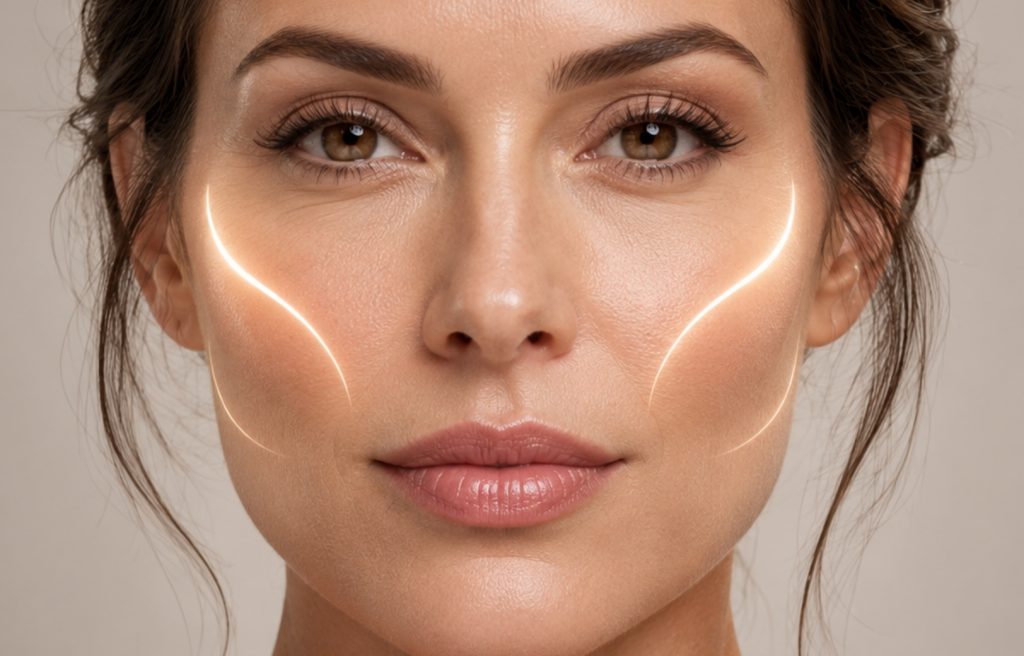
Facial fat grafting, also called fat transfer, involves harvesting fat from one area of the body using gentle liposuction, processing the fat, and carefully injecting it into areas of the face that have lost volume. Our surgeons use fat grafting to rejuvenate the face by addressing the following concerns:
- General facial volume loss
- Hollow cheeks
- Sunken temples
- Under-eye hollows (tear troughs)
- Deep nasolabial folds
- Loss of jawline definition
Who Is a Candidate for Facial Fat Grafting?
Candidates for facial fat grafting are adults who meet the following criteria:
- Desire natural facial rejuvenation using their own tissue
- Have realistic expectations
- Are in good overall health
- Have enough excess body fat for harvesting
- Do not smoke or are willing to stop before surgery
During your consultation, your surgeon will determine whether facial fat grafting alone or in combination with other procedures is appropriate for you.

How Is Facial Fat Grafting Performed?
Fat is typically harvested from the abdomen, flanks, or thighs using small liposuction incisions. The fat is purified and then meticulously injected into specific areas of the face using specialized techniques designed to maximize fat survival and create smooth, natural contours.
The procedure is commonly performed as an outpatient surgery under local anesthesia with IV sedation or general anesthesia.

Our Facial Fat Grafting Surgeons
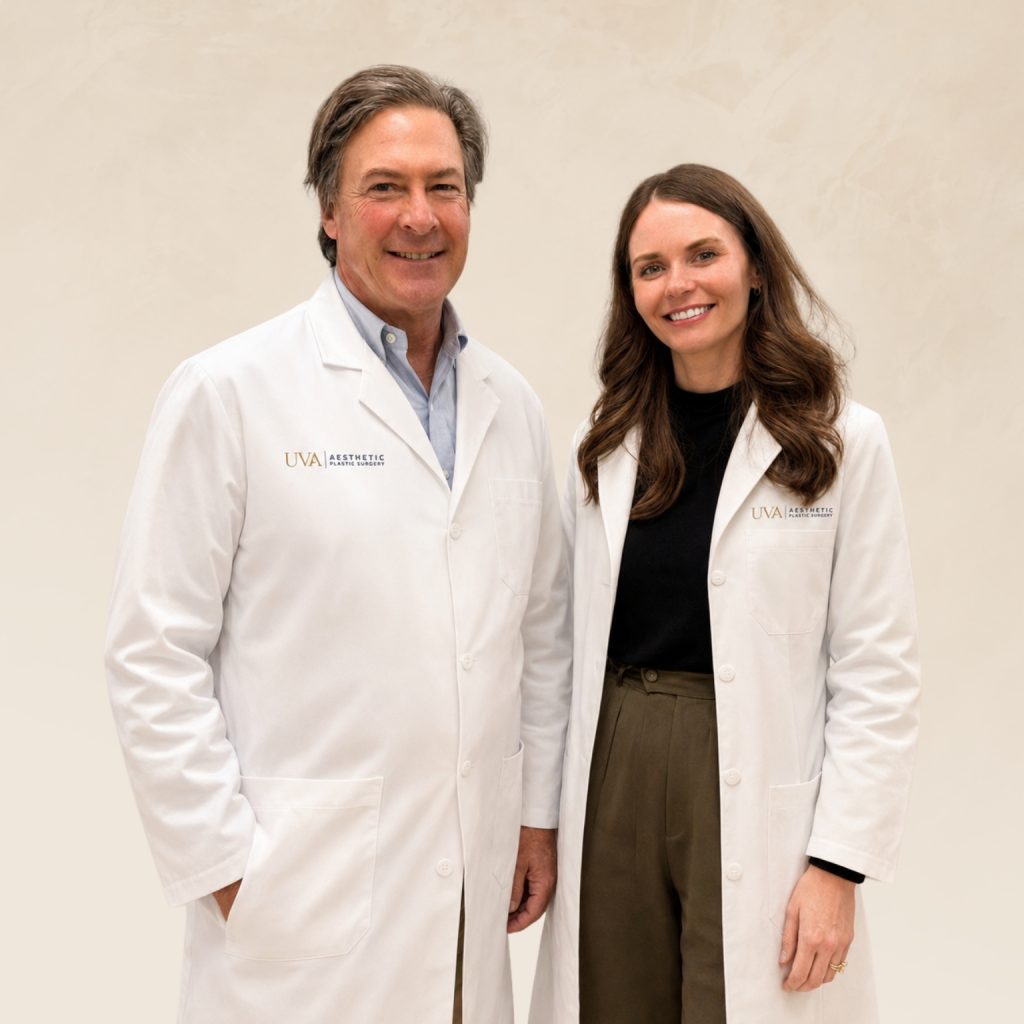
At UVA Aesthetic Plastic Surgery, our highly regarded surgeons offer expertise and personalized care for a rewarding patient experience.
Can Facial Fat Grafting Be Combined With Other Procedures?
For comprehensive facial rejuvenation, our surgeons often combine facelift and neck lift surgery with other procedures, including:
During your initial consultation, your surgeon will create a treatment plan to help you attain the improvements you desire.

What Is Facial Fat Grafting Recovery Like?
Most patients return home the day of surgery. Expect temporary swelling and bruising in both the donor site and treated areas.
Recovery Timeline
Week 1
- Rest and avoid strenuous activity.
- Swelling and bruising are most noticeable during the first week.
- Cold compresses may help reduce swelling.
- You may begin wearing makeup after the small injection sites have healed.
Week 2
- Bruising has largely resolved.
- Many patients feel comfortable returning to work and social activities.
Long Term
- Swelling gradually resolves over several months.
- Transferred fat that survives becomes a long-lasting part of your facial tissue.
- Final results are typically appreciated by 3–6 months.
Why Choose UVA Aesthetic Plastic Surgery?
- Fellowship-trained surgeons with expertise in facial rejuvenation
- Personalized treatment plans
- Academic medical center resources
- Commitment to natural-looking outcomes
- Patient safety at every stage
Insight From Our Surgeons
Not all transferred fat survives after surgery. Because a portion of the fat is naturally reabsorbed during healing, your surgeon may slightly overcorrect the treated areas or recommend additional fat grafting in the future to optimize your long-term result.
Fat Grafting FAQ
How much of the transferred fat survives?
While survival varies from patient to patient, a portion of the transferred fat is naturally reabsorbed during healing. Your surgeon accounts for this during surgery, and the remaining fat that establishes a blood supply can provide long-lasting volume.
Is facial fat grafting permanent?
The fat cells that successfully survive become a long-lasting part of your facial tissue. Although the face continues to age naturally, many patients enjoy results for years.
What happens if I lose weight after fat grafting?
Because the transferred fat behaves like fat elsewhere in your body, significant weight loss may reduce the volume of the grafted fat. Maintaining a stable weight helps preserve your results.
Will I look overfilled?
Our surgeons intentionally focus on restoring youthful facial proportions rather than creating excessive volume. Some initial fullness is expected because of swelling, which improves as you heal.
Can facial fat grafting be repeated?
Yes. Some patients choose a second fat grafting procedure if they desire additional volume after healing is complete.
Your Next Step
To learn more about facial fat grafting at UVA Aesthetic Plastic Surgery in Charlottesville, request a consultation with one of our plastic surgeons using the online form or call (434) 924-5078 to schedule an appointment.

Reviewed for clinical accuracy by an UVA Aesthetic Plastic Surgery Medical Editor on October 2nd, 2026.